
Panel Discussion Underscores Catastrophic Consequences of Proposed PA Cyber Charter School Funding Reductions
HARRISBURG, PA – Legislators and educational stakeholders convened a crucial panel discussion this week to detail the severe implications of proposed funding reductions targeting Pennsylvania’s public cyber charter schools. The session, held at Reach Cyber Charter School, provided a platform for students, parents, and educators to challenge the administration's budget priorities.
State Representative Barb Gleim and her colleagues emphasized that the budget being advanced by the Shapiro Administration and House Democrats for the 2025-26 fiscal year includes guidelines that would slash funding for cyber charters by an estimated $185 million to $300 million. This comes on the heels of a more than $100 million cut implemented in the previous budget cycle.
The overwhelming consensus from the testimony was that these deep cuts would be catastrophic for the 65,000 students currently enrolled in the state's 14 public cyber charter institutions, many of whom are among the Commonwealth's most vulnerable.
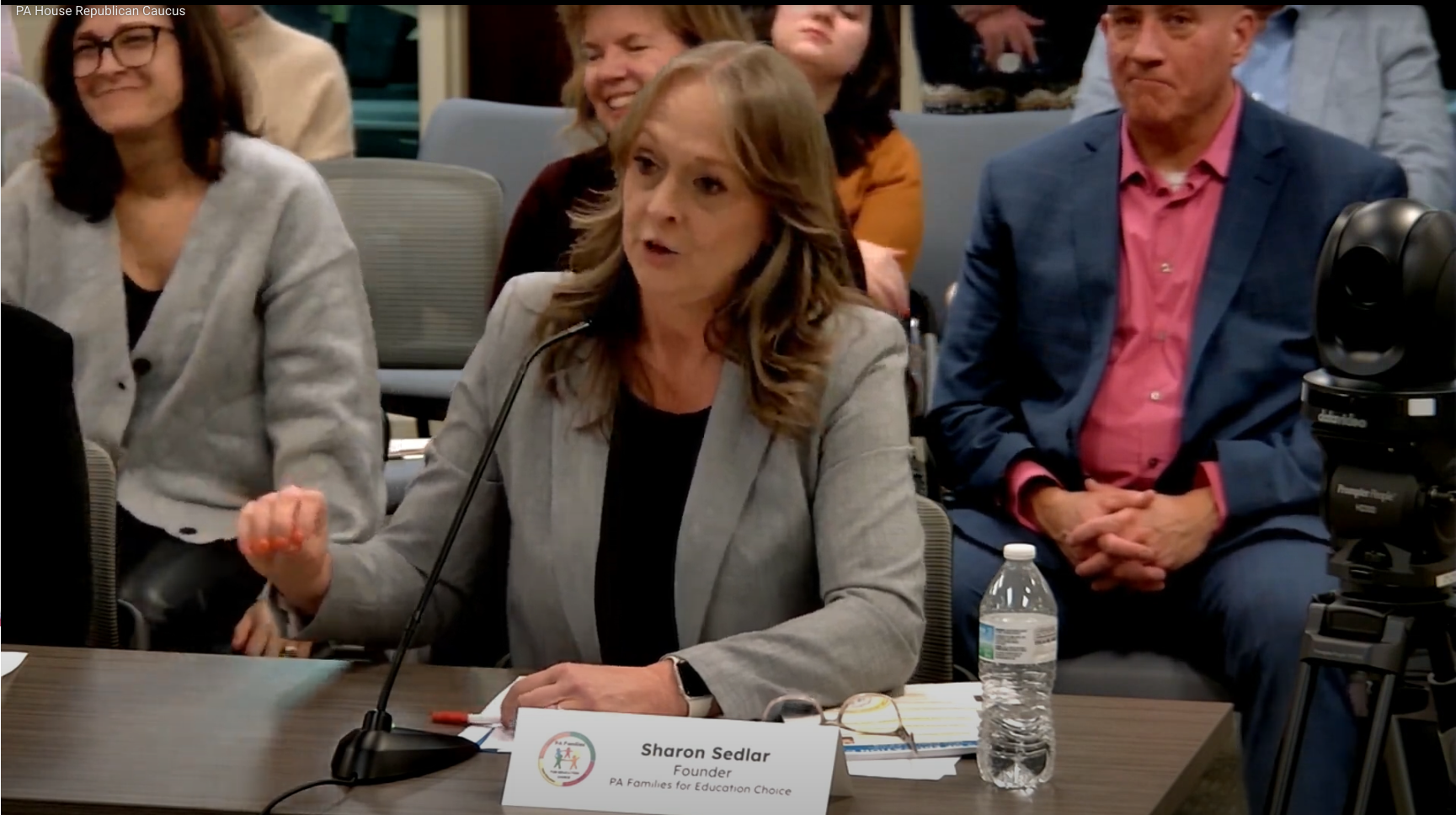
A parent, who testified about having children in both a traditional brick-and-mortar school and a cyber school, highlighted the inequity of increasing funding for one system while aggressively cutting the other. This imbalance, she argued, sends a message that the educational needs of one child are less valued than the other.
"Our education system is not a 'one size fits all' model," stated Senator Dawn Keefer. "For parents who cannot afford private school, the public cyber charter option is the critical lifeline that meets their child’s unique needs."
Lawmakers asserted that continuing to support public cyber charter schools is essential to fulfilling the Pennsylvania Constitution's requirement to maintain a "thorough and efficient system of public education" for every student, regardless of their learning environment. The panel concluded that cutting this funding option does not save money—it merely limits access to necessary educational alternatives for students who need them most.